Future Trends In Sustainable Luxury: Insights For Brands
Stop thinking that luxury has to mean waste. You want high-end quality that lasts a lifetime, but you also want to know your purchase isn't destroying the planet. Today, the world of high fashion is changing quickly. Let's look at how sustainable luxury is becoming the new standard.
The Shift Toward Value-Based On Responsibility
Luxury was defined by rarity and high prices. If an item was hard to get and expensive, it was considered the best. But shoppers are changing their minds. Today, you likely care more about where your leather comes from or who sewed your silk dress. This shift is pushing brands to rethink what quality actually means. It is no longer enough for a watch or a handbag to look beautiful. It also has to have a clean history.
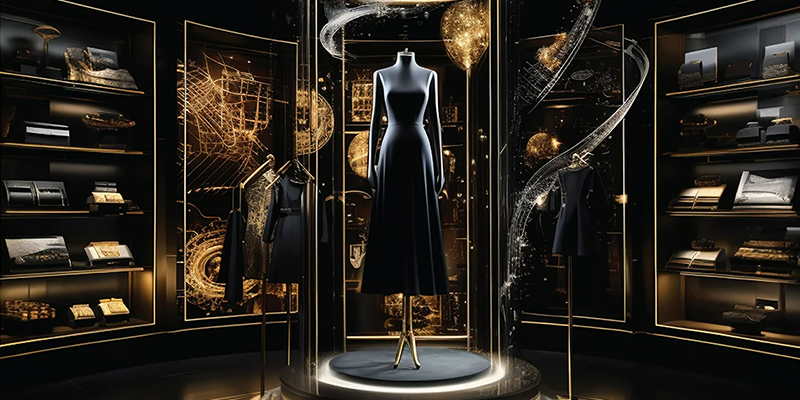
Brands are finding that their customers are more educated than ever. You can look up a company's carbon footprint or labor practices in seconds on your phone. Because of this, sustainable luxury is no longer just a nice idea; it is a business requirement. Companies that ignore this shift are losing the trust of younger buyers who prefer to spend their money on things that align with their personal beliefs.
How Circular Fashion Extends The Life Of High-End Goods
The old way of making clothes was a straight line: make it, sell it, and eventually, it ends up in a landfill. Circular fashion changes that line into a loop. The goal is to keep every item in use for as long as possible.
Many top-tier brands are now offering repair services to support this loop. For example, some leather goods companies now offer lifetime clinics where you can send a ten-year-old bag to be cleaned, stitched, and polished back to its original state. This helps the brand prove that their items are truly forever pieces.
Another part of this loop is using waste to make new things. We are seeing brands take leftover fabric scraps from their factory floors and turn them into limited-edition accessories. This reduces waste and creates a sense of exclusivity, as no two items are identical.
The Explosion of Second-Hand Luxury And Resale Platforms
One of the biggest changes in the industry is the acceptance of second-hand luxury. In the past, luxury houses feared that used goods would damage their image. Now, they realize that a strong resale value actually makes a new item more attractive. If you know a watch will hold 80% of its value, you are more likely to buy it new.
Luxury resale is growing much faster than the market for new goods. Platforms like Vestiaire Collective or The RealReal have made it safe and easy to buy pre-owned items. Brands are now starting to build their own pre-loved sections on their official websites.
If you are a brand looking to enter this space, here are a few ways to do it:
- Buy-back programs: Offer customers store credit in exchange for their old pieces.
- Authentication services: Use your experts to verify that a used item is authentic, giving buyers peace of mind.
- Vintage drops: Curate a collection of your own archival pieces from the 80s or 90s and sell them as a special collection.
Comparing Traditional Heritage Brands With Modern Eco-Labels
There are two main paths to sustainable luxury right now, and they look very different.
Traditional heritage brands, like Hermès or Rolex, argue that they have always been sustainable because their products never go out of style and rarely break. Their focus is on longevity. They use high-quality animal leathers and precious metals that can be repaired for a century. Their strategy is to sell fewer items at a much higher price point, which naturally reduces waste.
On the other hand, new eco-luxury labels are focusing on innovation. These brands, like Stella McCartney, avoid animal products entirely. They use lab-grown silk, mushroom leather, or recycled ocean plastic.
Which one is better? It depends on the customer. Some prefer the natural, long-lasting feel of traditional materials, while others want to support the tech-driven future of animal-free fashion. The most successful brands in the future will likely find a middle ground—using traditional skills with new, cleaner materials.
Building Trust Through Supply Chain Transparency
If you tell a customer a jacket is eco-friendly, they might not believe you. Greenwashing is a big problem, and buyers are getting smarter. To win, brands need to show their work.
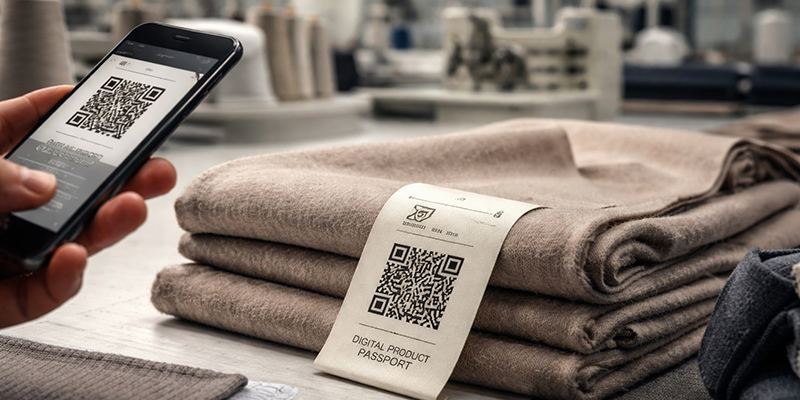
This is where Digital Product Passports come in. Imagine scanning a small QR code on a coat tag and seeing exactly where the wool was sheared, which factory spun the yarn, and how much the workers were paid. This level of honesty builds a deep bond with the customer.
Transparency isn't just about the environment; it's about the people. Brands are now being asked to prove that their entire supply chain is fair. This means moving away from intermediaries and working directly with farmers and weavers. When a brand can name the specific farm their cotton came from, the product feels more like a piece of art and less like a mass-produced commodity.
Practical Steps For Brands To Adopt Luxury Resale
If you run a brand and want to get into luxury resale, you don't have to change everything overnight. Start with a small pilot program.
First, look at your archives. Do you have old stock that didn't sell? Instead of shredding it (which used to be common), find a way to upcycle it. Second, talk to your loyal customers. Ask them if they have old pieces they no longer wear. Offering an easy way for them to trade those in for something new keeps them in your ecosystem.
The logistics of resale can be hard. You have to clean the items, take new photos, and prove they are real. Many brands choose to partner with existing resale platforms rather than building their own from scratch. This allows the brand to maintain control over its image while the partner handles the shipping and storage.
Future Opportunities In Bio-Materials And Tech
The next few years will bring some exciting changes to sustainable luxury. We are moving past recycled polyester and into materials grown in labs.
- Mushroom Leather (Mycelium): This material feels like high-end calfskin but grows in a matter of weeks using very little water.
- Lab-Grown Diamonds: These are chemically identical to mined diamonds but don't require digging giant holes in the earth. Many high-end jewelry houses are now using them for their more modern collections.
- Bacterial Dyes: Instead of using harsh chemicals to color fabric, some companies use bacteria that naturally produce pigments. This uses much less water and produces zero toxic runoff.
As these technologies become cheaper and more advanced, they will become the new standard for luxury.
A New Way To Think About Your Wardrobe
Choosing sustainable luxury is a smart way to enjoy the finer things in life while protecting the world around us. By supporting circular fashion and exploring the world of luxury resale, you help reduce waste and keep high-quality items in use for longer. Every choice you make, from checking a brand's transparency to buying second-hand luxury, helps move the industry toward a cleaner future. It is about picking quality over quantity and investing in pieces that tell a story you can be proud of.
Related Posts
How to Style Off-Shoulder Tops Outfit Ideas for Women’s Casual and Chic Looks
Boho Wedding Dresses Guide Popular Styles, Fabrics, and Tips for Choosing the Perfect Dress
Mastering Men Casual Outfits Your Ultimate Guide to Stylish Everyday Looks

2026 Sustainable Dresses Trends: Fabrics, Colors, And Silhouettes To Watch
12 Clothing Brands That Are Not Fast Fashion (Built To Last)
